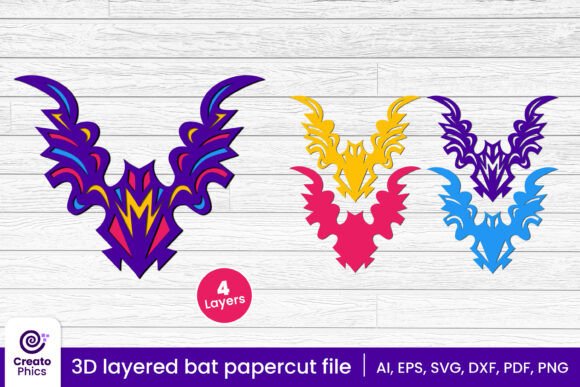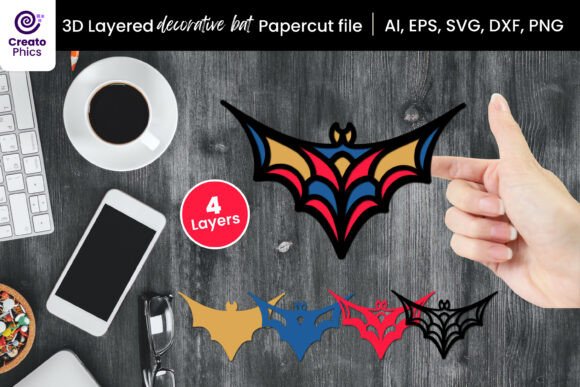
3D Layered Bat Papercut: A Visual Design Masterpiece
In the world of modern visual design, depth and texture are no longer reserved for physical media alone; they are essential elements that elevate digital storytelling. The 3D Layered Bat Papercut technique exemplifies this shift, offering a unique intersection where traditional craftsmanship meets digital precision. By leveraging Laser Cutting capabilities through high-resolution vector files, designers can now create intricate, dimensional compositions that capture attention instantly. This approach transforms flat graphics into dynamic experiences, making it a powerful tool for anyone looking to enhance their brand identity or creative projects with a touch of gothic elegance.
The Power of Dimensional Design in Branding
Effective branding relies heavily on creating memorable visual hierarchies that resonate with an audience. A standard 2D graphic often competes for attention in a crowded digital landscape, but a layered composition introduces a sense of realism and sophistication. When you incorporate a 3D layered bat paper cutting SVG into your design workflow, you are not just adding an image; you are introducing a narrative element. The overlapping layers create shadows and highlights that mimic real-world physics, guiding the viewer's eye through the composition naturally.
This technique is particularly valuable for brands operating in niche markets such as horror aesthetics, gothic fashion, or seasonal marketing campaigns. The ability to manipulate depth allows for a more nuanced expression of mood. Whether used in packaging design to give a product a premium feel or in editorial layouts to break up text-heavy pages, the visual impact of layered papercuts is undeniable. It signals to the consumer that the brand values detail, creativity, and a high level of artistic execution.
Practical Applications Across Digital and Print Media
The versatility of these design assets extends far beyond simple decoration. Here is how professionals are integrating layered bat motifs into various creative domains:
- Social Media Graphics: Use the separate PNG layers to create animated posts or carousel content that reveals the design piece by piece, increasing user engagement and dwell time.
- Packaging Design: Apply the concept to box structures or labels where the illusion of depth adds a tactile quality to the unboxing experience.
- Web and UI Design: Incorporate subtle parallax effects using the layered components to add interactivity to landing pages without compromising load times.
- Print Advertising: Utilize the high-DPI PNGs for large-format posters or brochures where the crisp lines and vibrant color palettes stand out against white space.
- Merchandise and Apparel: Adapt the vector paths for screen printing or embroidery, ensuring scalability from a small t-shirt logo to a large banner.
Optimizing Your Design Workflow with Vector Assets
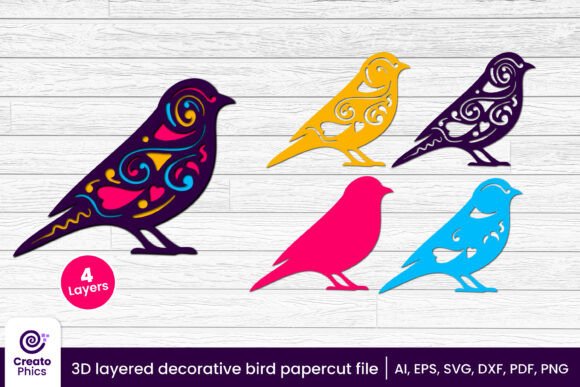
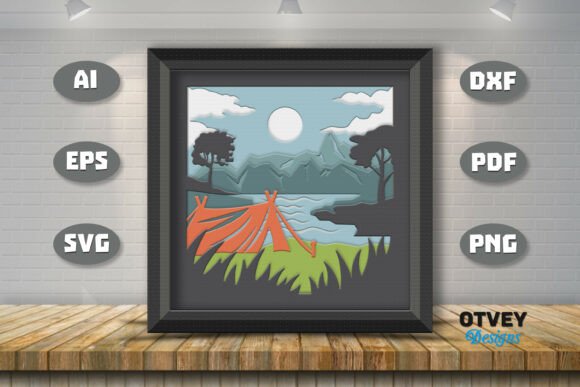
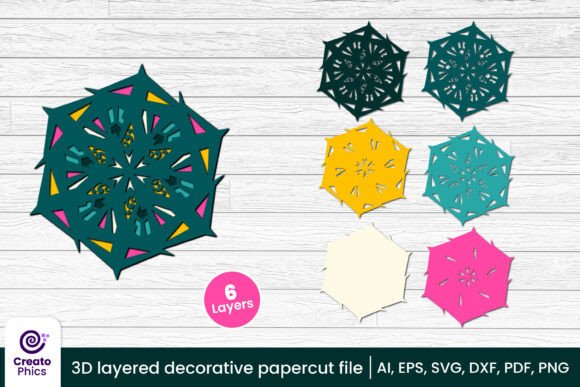
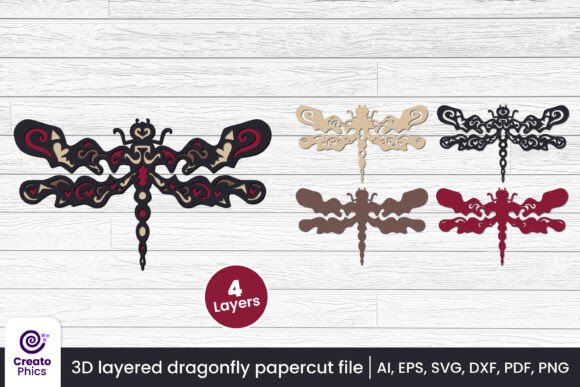
For graphic designers, the efficiency of the production process is just as critical as the final aesthetic. High-quality SVG and EPS files ensure that your designs remain scalable without losing fidelity. When working with a decorative bat 3D papercut, having access to individual layers in formats like AI, DXF, and PNG allows for maximum flexibility. You can easily adjust the color palette to match your brand guidelines, tweak the spacing between layers for different lighting conditions, or isolate specific elements for typography integration.
Typography plays a crucial role when pairing text with complex imagery. To maintain readability, ensure there is sufficient contrast between the text and the layered background. If the bat design is dense, consider placing headlines in negative space or using a semi-transparent overlay. This balance ensures that your message remains clear while the visual design provides the atmospheric context. Furthermore, understanding the limitations of your output medium—whether it is a laser cutter for physical crafts or a web browser for digital display—is key to selecting the right file format and resolution.
Evaluating Quality and Creative Potential
When selecting creative assets, look for files that offer distinct layers rather than a single flattened image. This separation is what enables the true 3D effect. A professional asset pack should include multiple file types to accommodate various software environments, from Adobe Illustrator for vector editing to Photoshop for raster manipulation. The inclusion of 300 DPI PNGs for each layer ensures that even when printed at large sizes, the details remain sharp and free of pixelation.
Ultimately, the goal of incorporating elements like the 3D Layered Bat Papercut is to communicate a story effectively. Whether you are designing a spooky gift, a wall art installation, or a digital campaign, the choice of assets defines the tone of your project. By prioritizing quality, scalability, and thoughtful composition, you create work that not only looks stunning but also functions perfectly within your broader design strategy. Embracing these dimensional techniques allows creators to push the boundaries of traditional graphic design, resulting in visuals that are both engaging and professionally polished.