Bringing the Woods to Life: A Deep Dive into 3D Woodland Squirrels Forest Tumbler Designs
The intersection of digital art and physical customization has created a vibrant ecosystem for creators, small business owners, and DIY enthusiasts. Within this landscape, specific themes consistently capture the imagination of consumers, none more so than nature-inspired motifs. Among these, the 3D Woodland Squirrels Forest Tumbler design stands out as a premier example of how digital assets can transform everyday objects into personalized statements. This article explores the technical nuances, creative applications, and practical considerations surrounding this specific design category, offering insights for those looking to leverage high-quality digital downloads in their projects.
The Evolution of Digital Sublimation Assets
In the realm of print-on-demand and custom manufacturing, the quality of the source file is paramount. The shift from simple flat graphics to complex, layered imagery has revolutionized what is possible on curved surfaces like tumblers. The concept behind a 3D Woodland Squirrels Forest Tumbler is not merely about placing an image of a squirrel on a cup; it is about creating depth, texture, and a sense of immersion that wraps around the vessel. This evolution requires files that are meticulously crafted to handle the distortion inherent in wrapping a 2D image around a 3D object.
High-resolution files, typically measured at 300 DPI (dots per inch), serve as the foundation for professional results. When a creator selects a digital download featuring woodland creatures, they are investing in a resource that ensures crisp lines and vibrant colors after the sublimation process. Unlike lower-resolution images that may appear pixelated or blurry when printed on a large surface area, these premium assets maintain their integrity, allowing the details of fur, leaves, and forest textures to shine through. This attention to detail is what separates hobbyist attempts from commercially viable products.
Anatomy of a Perfect Wrap: Straight vs. Tapered Designs
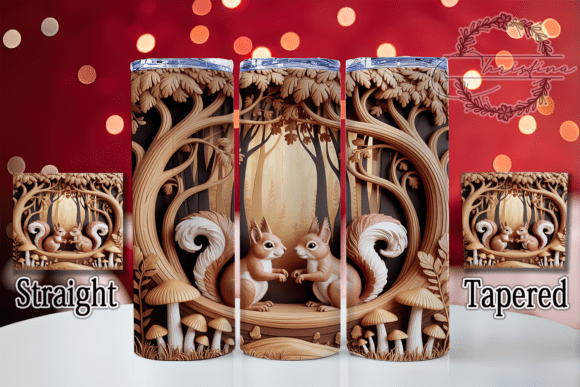
One of the most critical aspects of designing for drinkware is understanding the geometry of the container. Not all tumblers are created equal, and a design that looks perfect on a straight-sided mug may distort significantly on a tapered cup. This is where specialized digital packages become essential. For instance, a comprehensive listing for a 3D Woodland Squirrels Forest Tumbler often includes variations tailored to specific shapes, such as the popular 20oz skinny tumbler.
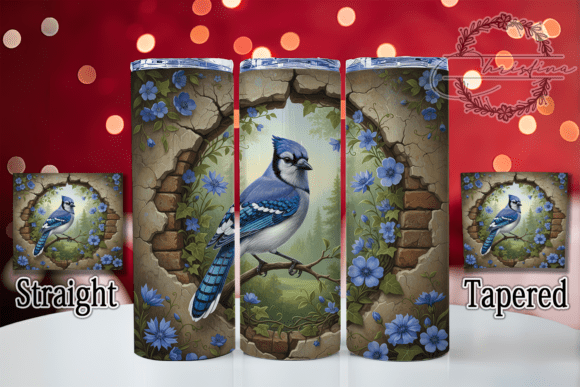
Straight Design Files are optimized for containers with uniform diameters from top to bottom. These files ensure that the vertical elements of the artwork, such as tree trunks or standing squirrels, remain parallel and undistorted. In contrast, Tapered Design Files account for the narrowing profile of many modern tumblers. By pre-adjusting the perspective and scaling of the image, these files prevent the "smiling" effect where the bottom of the design appears stretched compared to the top. Including both versions in a single digital package provides versatility, ensuring that the final product maintains its aesthetic appeal regardless of the specific hardware used.
Technical Specifications for Professional Output
When working with PNG files for sublimation, transparency and resolution are key. The inclusion of multiple PNG files allows for layering and flexibility in editing software. A standard set might include twenty-one distinct variations, offering a range of compositions and angles. This variety empowers the user to mix and match elements or select the exact framing that suits their vision. The high-resolution nature of these files ensures that even when resized for different project needs, the image retains its sharpness. This technical robustness is crucial for businesses that rely on consistency across batches of production.
Beyond the Tumbler: Expanding Creative Horizons
While the primary intent of a 3D Woodland Squirrels Forest Tumbler design is clearly indicated by its name, the utility of such high-quality digital assets extends far beyond drinkware. The versatility of a well-designed graphic lies in its adaptability. Because the files are provided in a high-resolution format, they can be scaled down for smaller items or expanded for larger surfaces without losing fidelity.
Creators have successfully repurposed similar woodland designs for a variety of substrates. Consider the application of these graphics on phone cases, where the wrap-around effect creates a seamless background. Similarly, the intricate details of forest scenes translate beautifully onto canvas prints, adding a touch of whimsy to home decor. For educators and researchers, these images can serve as visual aids or decorative elements in classroom settings, fostering a connection to nature. Even in the corporate sector, branded merchandise featuring such engaging, non-corporate imagery can soften a brand's image and make promotional items more desirable.
The ability to resize and reformat these files means that a single purchase can fuel multiple revenue streams. A craft fair vendor might use the same design for tumblers, coasters, and magnets, maximizing the return on investment. This flexibility is a significant advantage for small business owners who need to diversify their product offerings quickly and efficiently.
Color Accuracy and the Digital-Physical Gap
A critical consideration for anyone venturing into sublimation printing is the discrepancy between screen representation and physical output. Every effort is made by designers to accurately represent colors in their digital previews, but the journey from monitor to printed product involves several variables. Screen resolution, monitor calibration, and the specific settings of the printer and heat press all play a role in the final color palette.
For a design as nuanced as a 3D Woodland Squirrels Forest Tumbler, which relies on earth tones, greens, and browns to evoke a natural atmosphere, slight shifts in hue can alter the overall mood. A deep forest green might appear slightly teal on one monitor and a muted olive on another. It is important for users to understand that while the digital download provides a faithful representation, the final print colors may vary slightly. This is not a defect but a characteristic of the medium.
To mitigate this, professionals often perform test runs on scrap material before committing to a full batch. Adjusting printer profiles and managing expectations regarding color variance are part of the workflow. Understanding this limitation allows creators to focus on the strengths of the design—the composition, the clarity, and the emotional resonance—rather than becoming fixated on pixel-perfect color matching.
Workflow Integration for Creators and Businesses
Integrating digital downloads into a production workflow requires a systematic approach. For the busy entrepreneur, time is a valuable commodity. A streamlined process begins with selecting the right asset. A package that offers both straight and tapered designs eliminates the need for manual perspective correction in graphic design software, saving hours of labor. Once the file is downloaded, the workflow typically involves importing the PNG into layout software, positioning it over a template of the specific tumbler model, and sending it to print.
The inclusion of multiple file variations within a single listing further enhances efficiency. Instead of searching for different assets for different projects, a creator has a library of options ready to go. This is particularly beneficial during peak seasons, such as holidays or back-to-school periods, when demand for customized gifts surges. The ability to quickly pivot between designs or customize them for specific client requests gives businesses a competitive edge.
Furthermore, the support aspect of purchasing from independent creators cannot be overlooked. Many listings come with direct access to the artist for questions or troubleshooting. This level of engagement fosters a supportive community where knowledge is shared, and problems are solved collaboratively. Whether it is advice on resizing for a specific tumbler brand or tips on achieving the best color saturation, having a point of contact adds value to the transaction.
Market Trends and Consumer Preferences
The popularity of woodland themes in consumer goods is not a fleeting trend but a reflection of a deeper desire for connection with nature. In an increasingly digital world, tangible items that evoke the outdoors resonate strongly with buyers. Squirrels, forests, and wildlife motifs tap into nostalgia and a love for the natural environment. The 3D Woodland Squirrels Forest Tumbler capitalizes on this sentiment by offering a design that feels alive and dynamic.
Consumers today are also more discerning about the quality of the products they purchase. They expect crisp, professional-looking prints rather than amateurish transfers. The availability of high-quality digital assets allows small businesses to meet these expectations without needing in-house design teams. By leveraging expertly crafted files, sellers can offer products that compete with mass-market brands while maintaining the unique charm of handmade or custom-made goods.
Additionally, the rise of social media platforms dedicated to crafting and DIY projects has amplified the visibility of these designs. Images of beautifully wrapped tumblers featuring detailed forest scenes frequently go viral, driving demand for the underlying digital files. This cycle of inspiration and creation fuels the market, encouraging continuous innovation in design and application.
Final Thoughts on Creative Implementation
The journey from a digital file to a finished product is a testament to the power of modern technology and creative expression. The 3D Woodland Squirrels Forest Tumbler represents more than just a graphic; it is a tool for transformation. Whether used by a professional manufacturer, a passionate hobbyist, or an educator looking to inspire students, these designs offer a bridge between the digital and physical worlds.
By understanding the technical requirements, embracing the versatility of the formats, and acknowledging the nuances of color reproduction, creators can maximize the potential of these assets. The result is a diverse array of products that bring joy, style, and a touch of the wild to everyday life. As the market continues to evolve, the importance of high-quality, thoughtfully designed digital resources will only grow, empowering individuals to turn their creative visions into reality.