Christmas Lantern Paper Cut Design: A Practical Evaluation
When planning holiday decor or crafting projects, the Christmas Lantern Paper Cut Design emerges as a versatile option for those seeking traditional aesthetics with modern execution. This specific style of digital asset allows users to create intricate, layered paper art that mimics the look of glowing lanterns without the need for complex manufacturing processes. For individuals researching craft supplies, understanding the mechanics, benefits, and limitations of this design format is essential before committing to a project.
Understanding the Christmas Lantern Paper Cut Design
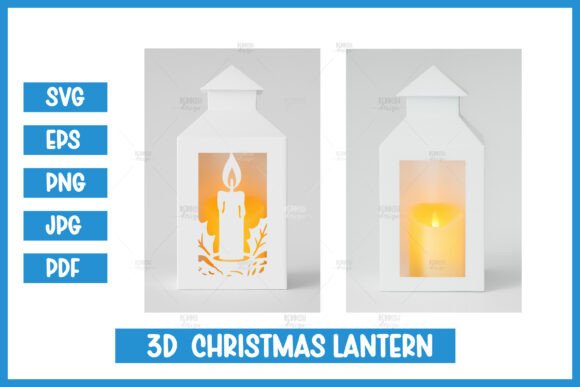
A Christmas Lantern Paper Cut Design is not merely a single image but a structured vector file intended for precision cutting. Unlike standard raster images used for printing photographs, these designs are composed of mathematical paths that define where a machine should cut through material. The result is a multi-layered composition where different shapes stack to create depth, shadow, and the illusion of light emanating from within a lantern structure.
The utility of these files lies in their compatibility with electronic cutting machines such as Cricut or Silhouette. When a user downloads the package, they typically receive multiple file formats including Eps, SVG, PDF, JPG, and PNG. Each format serves a distinct purpose in the workflow. The SVG (Scalable Vector Graphics) and Eps files are critical for the actual cutting process, ensuring clean edges regardless of the size at which the design is scaled. Conversely, the JPG and PNG versions serve as visual references for layering instructions or for use in digital mockups before physical production begins.
Reasons for Interest and Project Suitability
Several factors drive interest in this specific type of design. First is the desire for personalized holiday decoration. Mass-produced ornaments often lack uniqueness, whereas paper cut designs allow for customization in color, size, and material. Second, there is the practical aspect of cost-efficiency. Creating high-end looking lanterns using paper or cardstock requires significantly less financial investment than purchasing glass or metal alternatives.
Furthermore, the availability of multiple file formats makes this design accessible to a wide range of users. Whether a crafter uses a professional vinyl cutter or simply needs a printable template for hand-cutting, the inclusion of PDF and JPG files ensures flexibility. This versatility is particularly appealing to educators creating classroom decorations, event planners designing seasonal centerpieces, or hobbyists looking to enhance their home decor during the winter season.
Benefits and Tradeoffs of Digital Paper Cut Files
Adopting a Christmas Lantern Paper Cut Design offers clear advantages, primarily centered around scalability and precision. Because the core files are vector-based, the design can be resized from a small ornament to a large window display without losing resolution. This eliminates the pixelation issues common with raster images when enlarged. Additionally, the pre-defined layers streamline the assembly process, reducing the time spent on measuring and aligning components manually.
However, there are tradeoffs to consider. The primary limitation is the requirement for specific hardware to fully utilize the vector capabilities. Without an electronic cutting machine, the SVG and Eps files are difficult to use effectively, leaving the user reliant on the printable PDF or PNG versions, which may require manual tracing and cutting. This manual process can be time-consuming and may not achieve the same level of precision as a machine-cut version.
Another consideration is material selection. While paper is the namesake medium, the design's success depends heavily on the thickness and quality of the material used. Thin paper may tear during the cutting or assembly process, while overly thick cardstock might cause jamming in smaller cutting machines. Users must evaluate their available materials against the design's complexity before proceeding.
Situations Where This Design Is a Strong Fit
The Christmas Lantern Paper Cut Design is an excellent choice for specific scenarios. It is ideal for events requiring temporary but high-impact decor, such as holiday parties, school fairs, or retail window displays. In these contexts, the ability to produce many identical units quickly is a significant advantage. The layered nature of the design also makes it perfect for projects involving backlighting. Placing LED tea lights behind the paper cutouts enhances the visual effect, creating a warm, festive glow that is both safe and energy-efficient.
It is also a strong fit for educational settings. Teachers can use these designs to teach geometry, symmetry, and fine motor skills. The clear layering instructions provided in the accompanying files make it easy to guide students through the construction process. Additionally, for small business owners selling handmade goods, this design offers a scalable product line that can be produced on demand, minimizing inventory storage costs.
When Alternatives May Be Worth Considering
Despite its strengths, there are situations where a Christmas Lantern Paper Cut Design may not be the optimal solution. If the goal is permanent outdoor decoration, paper is generally unsuitable due to its vulnerability to moisture and wind. In such cases, weather-resistant materials like acrylic, metal, or treated wood would be more appropriate, even if the aesthetic inspiration remains the same.
Similarly, for users who do not possess a cutting machine and lack the patience for detailed hand-cutting, this design might present a steep learning curve. In these instances, purchasing pre-assembled paper lanterns or opting for simpler, flat decals might yield better results with less effort. Furthermore, if the project requires structural integrity beyond what paper can provide—such as supporting heavy ornaments or enduring frequent handling—a different medium should be selected.
Practical Decision-Making Insights
To determine if this design aligns with your goals, evaluate your resources and timeline. Ask yourself if you have access to a cutting machine or if you are prepared to invest time in manual assembly. Consider the environment where the final product will reside; indoor, dry environments are best suited for paper crafts. Review the included file formats to ensure they match your software capabilities. For instance, if you only have basic word processing software, the SVG and Eps files may be unusable, rendering the purchase less valuable unless the PDF is sufficient for your needs.
Additionally, assess the complexity of the design relative to your skill level. Intricate paper cuts require steady hands and precise alignment. If you are new to paper crafting, starting with a simpler variation of the lantern design might be prudent before attempting highly detailed versions. Finally, calculate the total cost per unit, factoring in the price of the digital file, the cost of paper or cardstock, adhesives, and any lighting elements. Comparing this against the cost of buying finished products will help clarify the economic viability of the project.
In conclusion, the Christmas Lantern Paper Cut Design represents a flexible tool for holiday creativity. By weighing the benefits of scalability and customization against the requirements for specific tools and materials, users can make informed decisions about whether this approach suits their specific decorative needs. With the right preparation and realistic expectations, this design can transform simple paper into a captivating element of seasonal celebration.